TL;DR
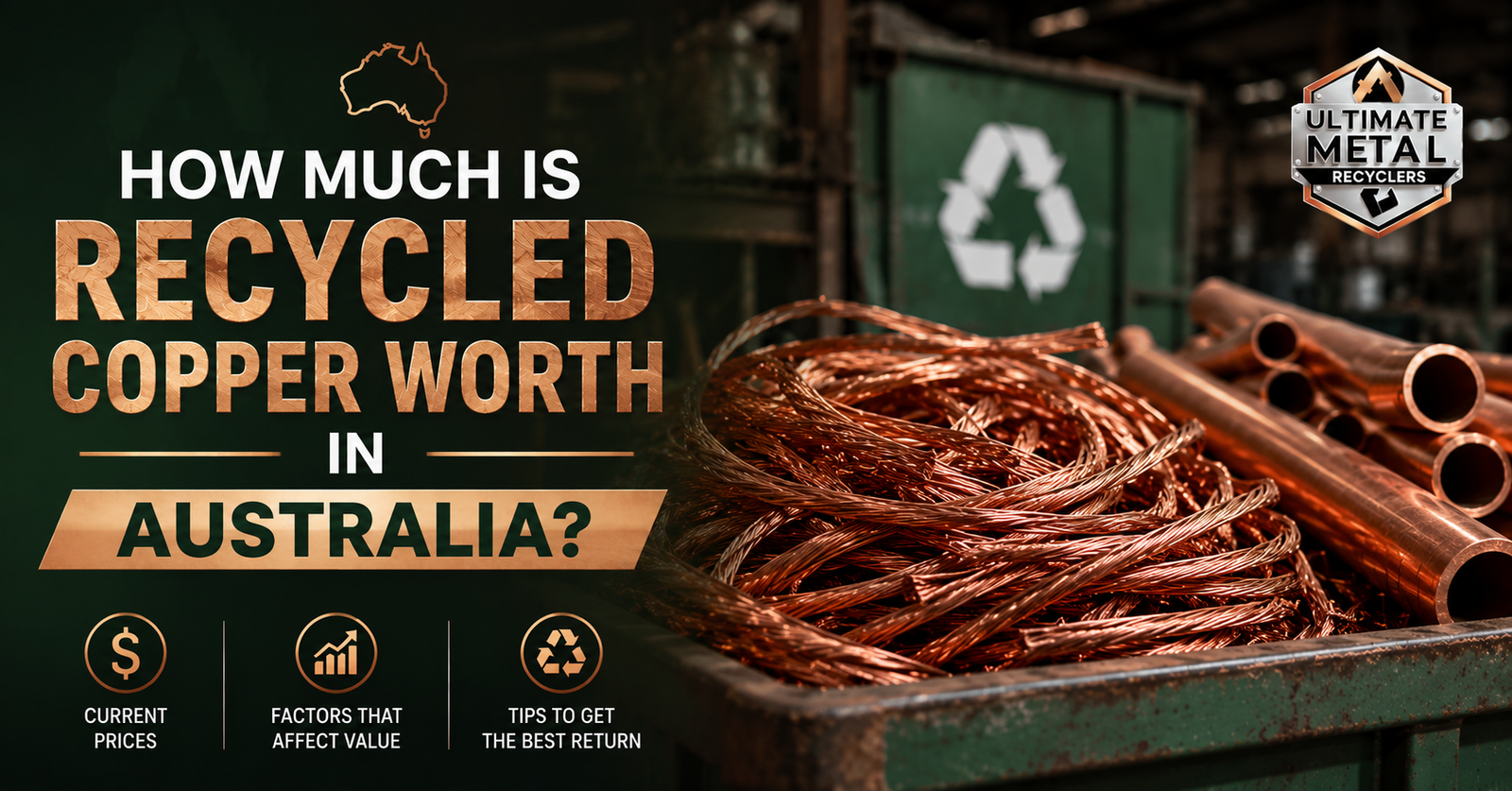
If you’re wondering how much is recycled copper worth, here’s the short answer:
- Recycled copper is one of the most valuable scrap metals in Australia.
- Its value depends on the copper grade, purity, weight, material condition, and current global market prices.
- Clean, well-sorted copper generally attracts higher prices than mixed or contaminated scrap.
- Copper is 100% recyclable and can be recycled repeatedly without losing its quality.
- Working with a reputable recycler helps ensure your copper is accurately graded and competitively valued.
Whether you’re recycling old copper pipes, electrical wiring, or industrial scrap, understanding how copper is valued can help you maximise your return.
Introduction
If you’ve searched how much is recycled copper worth, you’re probably looking for a straightforward answer before selling your scrap copper. While copper is one of Australia’s highest-value recyclable metals, there isn’t a single fixed price. Its value changes based on several factors, including copper grade, purity, weight, market demand, and global commodity prices.
Whether you’re renovating your home, replacing old plumbing, clearing electrical cables from a construction project, or managing industrial metal waste, understanding what influences recycled copper prices can help you make informed decisions and achieve the best possible return.
Across Australia, recycled copper plays a vital role in the circular economy. Instead of ending up in landfill, used copper is collected, processed, and returned to the manufacturing supply chain, reducing the need for new mining while conserving valuable natural resources.
If you’ve also wondered what is recycled copper worth, this guide explains everything you need to know—from how recyclers assess copper and what affects its value to practical tips for maximising your scrap copper returns.
Expert Insight
At Ultimate Metal Recyclers, copper is assessed based on its grade, cleanliness, weight, and current market conditions rather than a fixed price. Well-sorted, uncontaminated copper generally commands a higher value because it requires less processing before being recycled.
Copper Recycling by the Numbers
Copper remains one of the world’s most important recyclable materials because of its long-term economic and environmental value.
| Copper Recycling Fact | Why It Matters |
| Copper is 100% recyclable without losing its quality. | It can be recycled repeatedly into new products. |
| Around 32% of the world’s copper supply comes from recycled sources. | Recycling plays a major role in meeting global copper demand. |
| Demand for copper is expected to continue increasing as renewable energy, electric vehicles, and power infrastructure expand. | Strong demand helps maintain the long-term value of recycled copper. |
| Recycling copper requires significantly less energy than producing new copper from mined ore. | This helps conserve natural resources and reduce environmental impacts. |
Did You Know?
Copper is one of the few materials that can be recycled indefinitely without any loss of performance or quality. This makes it an essential material for sustainable construction, manufacturing, renewable energy, and electrical infrastructure.
Before looking at what determines recycled copper prices, it’s helpful to understand what recycled copper actually is and why it remains one of the most sought-after recyclable metals.
What Is Recycled Copper?
Recycled copper is copper recovered from used products and manufacturing waste instead of being discarded. After collection, the material is sorted, cleaned, processed, and prepared for reuse in the production of new products.
Unlike many materials, copper retains its physical and chemical properties throughout the recycling process. This means recycled copper performs just as effectively as newly mined copper, making it a preferred material across industries such as construction, electrical engineering, telecommunications, transportation, renewable energy, and manufacturing.
Common sources of recycled copper include:
- Copper electrical wiring and cables
- Plumbing pipes and fittings
- Roofing sheets, gutters, and flashing
- Air conditioning and refrigeration systems
- Industrial machinery and equipment
- Manufacturing offcuts
- Electric motors and transformers
- Automotive components
- Construction and demolition materials
Across Australia, recyclable copper is commonly collected from residential renovations, commercial fit-outs, industrial facilities, demolition projects, and electrical contractors before being processed and returned to the manufacturing supply chain.
Because not all copper is the same, recyclers classify it into different grades based on its purity, condition, and contamination levels. These grades are one of the biggest factors affecting its overall market value.
Why Is Recycled Copper So Valuable?
Copper consistently ranks among the highest-value recyclable metals because of its unique combination of durability, versatility, and strong global demand.
Several key factors contribute to its value.
High Demand Across Multiple Industries
Copper is an essential material used in electrical wiring, plumbing, renewable energy systems, telecommunications, construction, transportation, and advanced manufacturing. As Australia continues investing in infrastructure and clean energy projects, demand for copper is expected to remain strong for years to come.
Outstanding Recyclability
One of copper’s greatest advantages is that it can be recycled repeatedly without losing its strength, conductivity, or performance. Manufacturers can confidently use recycled copper in new products while maintaining the same quality standards as newly mined material.
Strong Global Market Value
Copper is traded as a global commodity, meaning its value is influenced by worldwide supply and demand. Changes in mining output, manufacturing activity, infrastructure investment, and international market conditions all contribute to fluctuations in scrap copper prices.
Environmental Benefits
Choosing to recycle copper helps reduce the need for new mining, conserve natural resources, lower greenhouse gas emissions, and decrease energy consumption. Recycling also diverts valuable materials from landfill while supporting Australia’s transition towards a more circular economy.
Financial Value for Sellers
For homeowners, electricians, builders, manufacturers, and businesses, recycling unwanted copper provides an opportunity to recover value from materials that would otherwise go to waste. Clean, separated copper often achieves a better return than mixed metal loads, making proper sorting worthwhile before selling.
If you’re planning to sell your copper locally, choosing a trusted Copper Recycling Sydney service ensures your material is correctly graded and valued according to current market conditions.
How Much Is Recycled Copper Worth?
If you’re asking how much is recycled copper worth, the short answer is that there isn’t a fixed price. Recycled copper is one of the highest-value scrap metals in Australia, but its value changes regularly based on the current copper market, the grade and purity of the material, its condition, and the quantity being recycled.
For example, clean, high-grade copper generally attracts a better return than mixed or contaminated copper because it requires less processing before it can be reused. Similarly, market demand and global commodity prices can influence how much recyclers are willing to pay at any given time.
Rather than focusing on a single price, it’s more useful to understand what determines the value of recycled copper. Knowing these factors can help you prepare your scrap properly and maximise your return.
Important: Scrap copper prices fluctuate frequently due to changes in global commodity markets. For the most accurate valuation, request a current quote from a trusted recycler before selling your material.
At a Glance: What Affects Recycled Copper Value?
| Factor | Impact on Value |
| Copper Grade | ⭐⭐⭐⭐⭐ Very High |
| Purity | ⭐⭐⭐⭐⭐ Very High |
| Current Global Copper Prices | ⭐⭐⭐⭐⭐ Very High |
| Weight | ⭐⭐⭐⭐ High |
| Material Condition | ⭐⭐⭐⭐ High |
| Quantity | ⭐⭐⭐ Moderate |
Each of these factors plays a role in determining the final value of your scrap copper.
Factors That Affect Recycled Copper Prices
Understanding how recyclers assess copper can help you maximise the value of your material before selling it.
1. Copper Grade
Copper is sorted into different grades according to its purity and condition. Higher-grade copper requires less processing and is therefore generally worth more.
The most common grades include:
Bare Bright Copper
Bare Bright Copper is clean, shiny, uncoated copper wire with no paint, insulation, or solder. Because of its exceptional purity, it is typically considered the highest-value grade of scrap copper.
No. 1 Copper
This grade includes clean copper pipes, tubing, busbars, and heavy copper materials that contain very little contamination. It is widely accepted as premium-quality recyclable copper.
No. 2 Copper
No. 2 Copper usually contains paint, solder, oxidation, or other minor impurities. Although still valuable, it generally requires additional processing before recycling.
Copper Pipes
Copper plumbing pipes and fittings are commonly recycled after renovation or demolition projects. Their value depends on cleanliness, attachments, and overall condition.
Copper Wire
Electrical copper wire is highly recyclable. Clean, stripped wire generally commands a better return than insulated cable because less processing is required.
Insulated Copper Cable
Copper cable covered with plastic or rubber insulation still holds significant recycling value, although the insulation must be removed during processing.
Mixed Copper Scrap
Mixed loads containing different grades or other materials often require additional sorting, which can reduce their overall value.
Expert Tip
Separating copper into individual grades before taking it to a recycler can improve the accuracy of your valuation. Mixing high-grade and lower-grade copper together may reduce the overall value of your load.
2. Purity of the Material
Purity is one of the most important factors influencing recycled copper prices.
Copper that is free from insulation, plastic, paint, steel fittings, rubber, solder, or other contaminants is generally easier to recycle and therefore more valuable.
Examples of high-purity recyclable copper include:
- Bright electrical wire
- Clean copper tubing
- Copper busbars
- Uncoated copper cable
- Manufacturing offcuts
Practical Tip
Where safe and practical, remove obvious non-copper attachments before recycling. Cleaner material is easier to process and may achieve a more competitive valuation.
3. Current Global Copper Prices
Copper is traded internationally as a commodity, meaning local scrap prices are influenced by movements in global markets.
Several factors contribute to price fluctuations, including:
- Worldwide supply and demand
- Mining production levels
- Manufacturing activity
- Infrastructure
- Renewable energy projects
- Electric vehicle production
- Boarding school
For example, increasing demand for renewable energy systems, battery storage, and electric vehicles continues to strengthen long-term demand for copper worldwide. Conversely, changes in mining output or slower industrial activity may influence market prices over time.
To stay informed about global copper market trends, you can refer to the London Metal Exchange (LME) Copper:
4. Weight of Your Scrap Copper
Weight also plays an important role in determining the overall value of recycled copper.
Most recyclers calculate payments on a per-kilogram basis, so larger quantities naturally result in higher overall returns.
Businesses that regularly generate copper scrap include:
- Electrical contractors
- Plumbing companies
- Construction firms
- Manufacturing facilities
- Demolition contractors
- Industrial maintenance companies
If your business produces copper waste on an ongoing basis, establishing a regular recycling process can improve operational efficiency while supporting sustainable waste management.
5. Material Condition
The condition of your copper directly affects how easily it can be processed.
Clean, dry, and well-organised material generally requires less labour during inspection and sorting.
To improve your copper’s condition before recycling:
- Separate different copper grades.
- Remove obvious contaminants where practical.
- Keep copper dry during storage.
- Avoid mixing copper with steel or aluminium.
- Store insulated cables separately from bare copper.
These simple preparation steps can make grading more efficient and help achieve a more accurate valuation.
6. Quantity Being Recycled
Although small household quantities are widely accepted, larger commercial and industrial loads often improve collection efficiency and streamline recycling operations.
Large quantities of recyclable copper commonly come from:
- Warehouse clearances
- Commercial building renovations
- Factory upgrades
- Electrical infrastructure projects
- Construction sites
- Industrial maintenance shutdowns
If your organisation generates copper scrap regularly, working with a professional Copper Recycling provider can simplify collection, improve recycling efficiency, and ensure your material is assessed using current market conditions and industry best practices.
Common Types of Scrap Copper and Their Relative Value
Different types of copper have different recycling values because they require varying levels of processing.
| Copper Type | Characteristics | Relative Value |
| Bare Bright Copper | Clean, shiny, uncoated wire | ⭐⭐⭐⭐⭐ Very High |
| No. 1 Copper | Clean pipes, tubing, heavy copper | ⭐⭐⭐⭐ High |
| No. 2 Copper | Painted, soldered or lightly contaminated | ⭐⭐⭐ Moderate to High |
| Copper Pipes | Plumbing materials | ⭐⭐⭐ Moderate to High |
| Copper Wire | Electrical wire (depending on condition) | ⭐⭐⭐⭐ High |
| Insulated Copper Cable | Plastic-coated copper wire | ⭐⭐⭐ Moderate |
| Mixed Copper Scrap | Mixed grades and contaminants | ⭐⭐ Lower |
Note: Relative values vary depending on market conditions and material quality.
Why Professional Copper Grading Matters
Professional recyclers don’t simply weigh your copper—they carefully assess its quality, grade, purity, and condition before determining its value.
Accurate grading helps ensure:
- Fair and transparent pricing
- Efficient recycling processes
- Maximum recovery of valuable materials
- Reduced contamination
- Better environmental outcomes
Choosing an experienced Copper Recycling service gives you confidence that your scrap copper will be professionally graded, responsibly recycled, and valued according to current market conditions.
How to Maximise the Value of Your Scrap Copper
Although you can’t control daily market prices, you can take several practical steps to improve the value of your recyclable copper before selling it. Proper preparation makes it easier for recyclers to assess your material accurately and may help maximise your overall return.
Separate Different Copper Grades
One of the simplest ways to increase the value of your scrap copper is to separate different grades before taking them to a recycler.
Mixing premium-grade copper with lower-grade or contaminated materials makes sorting more difficult and can reduce the overall value of your load.
Where possible, organise your copper into separate categories, such as:
- Bare Bright Copper
- No. 1 Copper
- No. 2 Copper
- Copper pipes
- Copper wire
- Insulated copper cable
Taking the time to sort your materials beforehand helps recyclers identify each grade more accurately and process it more efficiently.
Remove Obvious Contaminants
The cleaner your copper, the easier it is to recycle.
Where safe and practical, remove unnecessary materials such as:
- Plastic insulation
- Rubber coverings
- Steel brackets
- Screws and fasteners
- Dirt and loose debris
Avoid burning insulation off copper wire to remove plastic coatings. Besides being unsafe, this practice can damage the copper, create environmental hazards, and reduce its recyclability. If you’re unsure how to prepare your copper, seek advice from your recycler before making any modifications.
Store Copper Properly
Good storage practices help maintain the quality of your recyclable copper.
Before recycling, try to:
- Keep copper dry.
- Store it away from dirt and moisture.
- Separate copper from aluminium, brass, and steel.
- Keep insulated cables separate from bare copper.
- Bundle similar materials together where practical.
Well-organised material speeds up the grading process and reduces unnecessary contamination.
Consolidate Larger Quantities
If your business regularly generates copper waste, combining smaller quantities into larger loads can improve collection efficiency and reduce transport costs.
This is particularly useful for:
- Electrical contractors
- Construction companies
- Plumbing businesses
- Manufacturing facilities
- Commercial property managers
- Demolition contractors
Scheduled recycling collections can also help businesses manage ongoing metal waste more efficiently.
Work with an Experienced Recycler
Choosing a reputable recycler is just as important as preparing your copper correctly.
An experienced recycling company will:
- Assess each load professionally.
- Identify different copper grades accurately.
- Follow transparent pricing practices.
- Recycle materials responsibly.
- Provide reliable customer support.
Working with an experienced recycler gives you confidence that your material is handled according to industry best practices.
Expert Tip
If you’re recycling copper regularly, keeping different grades separated throughout your project—not just before collection—can save time and improve the accuracy of your final valuation.
Common Mistakes That Can Reduce Scrap Copper Value
Even valuable copper can lose some of its recycling value if it isn’t prepared correctly.
Avoid these common mistakes:
- Mixing different copper grades together.
- Combining copper with steel, aluminium, or brass.
- Leaving excessive dirt, concrete, or building debris attached.
- Burning insulation off copper cables.
- Allowing copper to become heavily corroded through poor storage.
- Selling copper without sorting materials first.
Avoiding these issues helps simplify the recycling process while improving the overall quality of your recyclable material.
What Happens After You Recycle Copper?
Many people wonder what happens once their copper reaches a recycling facility.
Although the exact process varies between recyclers, it generally includes the following steps:
1. Inspection
The incoming material is inspected to identify different copper grades and assess its overall condition.
2. Sorting
Copper is separated from other metals and categorised according to purity and material type.
3. Processing
Any remaining contaminants are removed before the copper is prepared for recycling.
4. Recycling
The processed copper is sent to specialist facilities, where it is refined and converted into raw material for manufacturing.
5. Manufacturing
Recycled copper is used to manufacture new products, including electrical wiring, plumbing components, renewable energy systems, transport equipment, and construction materials.
This circular process helps conserve natural resources while reducing landfill waste and supporting more sustainable manufacturing.
Where Can You Recycle Copper in Sydney?
Whether you’re clearing unwanted copper from a home renovation or managing ongoing commercial metal waste, choosing the right recycler makes the process straightforward and efficient.
We recycle a wide range of copper materials, including:
- Copper pipes and fittings
- Electrical wiring
- Copper cables
- Roofing materials
- Busbars
- Manufacturing offcuts
- Industrial copper scrap
- Copper recovered during demolition projects
Every load is assessed according to its grade, quality, and current market conditions to ensure a fair and transparent recycling process.
If you also recycle other non-ferrous or ferrous metals, our Metal Recyclers Sydney services provide a convenient solution for managing a wide range of recyclable materials through a single trusted provider.
Why Choose Ultimate Metal Recyclers?
Choosing a recycling company isn’t simply about selling unwanted copper—it’s about working with a team that values transparency, responsible recycling, and dependable customer service.
Transparent, Market-Based Valuations
Every load is professionally assessed according to copper grade, purity, material quality, and current market conditions, helping ensure fair and competitive pricing.
Convenient Collection Services
Eligible commercial and industrial customers can benefit from convenient collection services that minimise disruption while simplifying ongoing recycling.
Residential, Commercial and Industrial Expertise
From household renovations to large industrial operations, our team provides tailored recycling solutions for projects of every size.
Environmentally Responsible Recycling
Recovered copper is diverted from landfill and returned to the manufacturing supply chain, helping conserve natural resources and support Australia’s circular economy.
Reliable Customer Service
Our experienced team is committed to providing prompt communication, professional advice, and dependable recycling solutions for customers throughout Sydney.
Key Takeaways
Before selling your scrap copper, remember these important points:
- Copper is one of Australia’s most valuable recyclable metals.
- Higher-grade, cleaner copper generally attracts better returns.
- Scrap copper prices change regularly according to global market conditions.
- Separating different grades helps improve valuation accuracy.
- Proper storage and preparation reduce contamination.
- Choosing an experienced recycler supports both financial returns and environmentally responsible recycling.
Frequently Asked Questions
Is recycled copper worth more than other scrap metals?
In many cases, yes. Copper is generally one of the highest-value recyclable metals because of its strong global demand, excellent conductivity, and ability to be recycled indefinitely without losing quality.
What type of copper is usually worth the most?
Bare Bright Copper is generally considered one of the highest-value grades because it is clean, uncoated, and contains very few impurities.
Does stripping copper wire increase its value?
In some situations, stripped copper wire may achieve a higher value because it contains less contamination. However, whether stripping is worthwhile depends on the amount of material, labour involved, and current market conditions.
How often do scrap copper prices change?
Copper prices can change daily because they are influenced by international commodity markets, supply and demand, manufacturing activity, and broader economic conditions.
Can copper be recycled indefinitely?
Yes. Copper is 100% recyclable and can be recycled repeatedly without losing its physical or chemical properties, making it one of the world’s most sustainable engineering materials.
Is insulated copper wire recyclable?
Yes. Insulated copper cable is widely accepted by professional recyclers. During processing, the insulation is separated from the copper so both materials can be managed appropriately.
Can businesses arrange copper recycling collections?
Many commercial recyclers offer scheduled collection services for businesses that regularly generate recyclable copper through construction, manufacturing, electrical work, demolition, or industrial operations.
Why is clean copper usually worth more?
Clean copper requires less sorting and processing before recycling. Because it is easier to recover and reuse, it generally attracts a higher value than contaminated or mixed material.
Conclusion
Understanding how much is recycled copper worth is about more than checking today’s market price. The value of recyclable copper depends on its grade, purity, condition, weight, and current global demand, making every load unique.
By separating different grades, removing unnecessary contaminants, storing materials correctly, and working with a trusted recycling company, you can maximise both the financial and environmental benefits of recycling copper.
Whether you’re a homeowner with leftover plumbing pipes, an electrician with surplus cable, or a business managing ongoing copper waste, making informed recycling decisions helps recover value from materials that might otherwise be discarded.
If you’re looking for reliable copper recycling services, Ultimate Metal Recyclers offers professional recycling solutions for residential, commercial, and industrial customers across Sydney. Our experienced team is committed to responsible recycling, transparent market-based valuations, and excellent customer service to help you recycle your copper efficiently and sustainably.
Contact Ultimate Metal Recyclers today to discuss your copper recycling requirements or request a competitive quote based on current market conditions.


