TL;DR
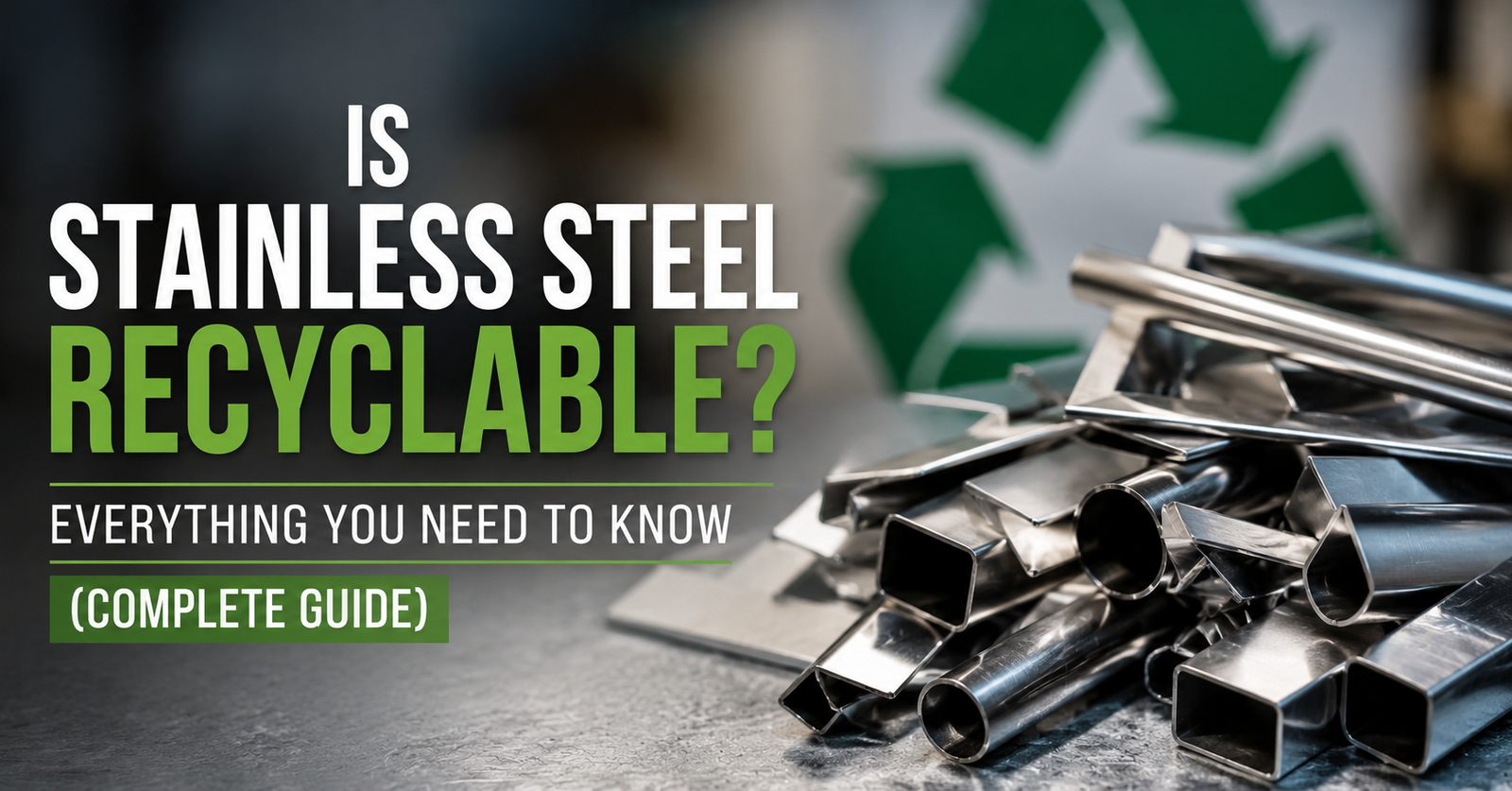
Yes, stainless steel is 100% recyclable and can be recycled repeatedly without losing its strength, durability, or corrosion resistance. It is one of the most recycled materials in the world and plays an important role in reducing landfill waste, conserving natural resources, and supporting Australia’s transition towards a circular economy.
Quick Answer
Is Stainless Steel Recyclable? Yes. Stainless steel can be recycled indefinitely without any loss of quality, strength, or performance. Most stainless steel products already contain recycled content, making it one of the most sustainable materials used across Australian industries today.
What Is Stainless Steel?
Stainless steel is a durable metal alloy primarily made from iron and chromium, with some grades also containing nickel, molybdenum, and other elements. The chromium creates a protective layer that helps prevent rust and corrosion, making stainless steel suitable for demanding environments.
Across Australia, stainless steel is commonly used in:
- Construction and infrastructure projects
- Commercial kitchens and hospitality venues
- Manufacturing facilities
- Food processing plants
- Medical equipment
- Automotive applications
- Household appliances and fixtures
Its durability and long lifespan make it highly valuable, but one of its biggest advantages is that it can be recycled repeatedly without losing its original properties.
Is Stainless Steel Recyclable?
The simple answer is yes.
If you’ve ever asked, “Is Stainless Steel Recyclable?”, you’ll be pleased to know that stainless steel is one of the most recyclable materials available today.
Unlike some materials that degrade during the recycling process, stainless steel retains its original strength, corrosion resistance, and performance regardless of how many times it is recycled. This means a stainless steel sink, appliance, pipe, or industrial component can be collected, processed, and transformed into a new product without compromising quality.
This ability to be recycled indefinitely makes stainless steel an important material for sustainable manufacturing and waste management.
Many stainless steel products manufactured today already contain a significant percentage of recycled material, helping reduce the demand for virgin resources and supporting environmentally responsible production.
Why Recycling Stainless Steel Matters in Australia
Australia generates significant volumes of waste each year from construction, demolition, manufacturing, mining, and commercial activities. Recovering valuable metals through recycling helps reduce landfill pressure while supporting environmental sustainability.
Recycling stainless steel contributes to Australia’s move towards a circular economy, where materials remain in use for as long as possible rather than being discarded after a single lifecycle.
Some of the key benefits include:
- Reducing landfill waste
- Conserving natural resources
- Lowering energy consumption
- Supporting sustainable manufacturing
- Reducing greenhouse gas emissions
- Improving resource efficiency
As environmental awareness continues to grow, businesses and households are increasingly recognising the importance of recycling valuable materials rather than sending them to landfill.
How Stainless Steel Is Recycled
The recycling process is highly efficient and allows valuable materials to be recovered and reused in new products.
Collection
The process begins with collecting stainless steel scrap from homes, businesses, construction sites, demolition projects, and industrial facilities.
Common sources include:
- Commercial kitchen equipment
- Industrial machinery
- Stainless steel piping
- Manufacturing offcuts
- Household appliances
- Construction materials
Sorting
Once collected, the material is sorted according to its grade and composition. Modern recycling facilities use advanced equipment to separate stainless steel from other metals and contaminants.
Processing
The metal is cleaned, cut, shredded, or compacted into manageable sizes before being prepared for recycling.
Melting
The processed material is melted in specialised furnaces. During this stage, impurities are removed and the metal is refined for reuse.
Manufacturing
The recycled stainless steel is then used to manufacture new products such as sheets, pipes, machinery parts, structural components, appliances, and infrastructure materials.
Working with a professional Stainless Steel Recycling provider helps ensure valuable materials are recovered efficiently and returned to the production cycle rather than ending up in landfill.
Benefits of Recycling Stainless Steel
Recycling stainless steel delivers significant environmental and economic benefits.
Conserves Natural Resources
Recycling reduces the need to extract raw materials such as iron ore, chromium, and nickel, helping preserve finite natural resources.
Reduces Landfill Waste
Large stainless steel items can occupy valuable landfill space. Recycling helps divert these materials from waste streams and keeps resources in circulation.
Saves Energy
Producing stainless steel from recycled material generally requires less energy than manufacturing it entirely from virgin resources.
Lowers Carbon Emissions
Reduced mining and processing activities contribute to lower greenhouse gas emissions and a smaller environmental footprint.
Supports Sustainable Business Practices
Many Australian organisations are working towards sustainability goals. Recycling stainless steel helps improve resource efficiency while demonstrating environmental responsibility.
Common Stainless Steel Items Australians Can Recycle
Many everyday products contain recyclable stainless steel.
Household Items
- Kitchen sinks
- Cookware
- Cutlery
- Water bottles
- Washing machine drums
- BBQ components
Commercial Equipment
- Restaurant equipment
- Catering equipment
- Refrigeration units
- Food preparation benches
- Storage tanks
Construction Materials
- Balustrades
- Handrails
- Roofing components
- Structural steel elements
- Pipes and fittings
Industrial Scrap
- Machinery parts
- Manufacturing offcuts
- Factory-generated scrap
- Processing equipment
Because stainless steel recyclable materials are used extensively across Australian industries, effective recycling programs can recover significant amounts of valuable metal each year.
What Happens to Recycled Stainless Steel?
Once stainless steel has been collected, sorted, processed, and refined, it becomes a valuable raw material for manufacturing new products.
Recycled stainless steel can be used to produce:
- Construction materials
- Structural components
- Pipes and tubing
- Commercial kitchen equipment
- Medical equipment
- Industrial machinery
- Automotive parts
- Household appliances
- Infrastructure products
One of the greatest advantages of stainless steel is that it can be recycled repeatedly without losing its strength, durability, or corrosion resistance. This means the stainless steel used in a building, appliance, or manufacturing facility today could be transformed into an entirely new product in the future.
Many stainless steel products already contain a substantial amount of recycled material, helping manufacturers reduce their reliance on virgin resources while supporting more sustainable production practices.
Challenges of Recycling Stainless Steel
Although stainless steel is highly recyclable, there are several challenges involved in ensuring materials are recovered and processed efficiently.
Contamination
Stainless steel scrap can sometimes be mixed with plastics, rubber, paint, insulation, or other materials. Contamination can increase processing requirements and reduce recycling efficiency.
Incorrect Disposal
Many recyclable metal products still end up in general waste bins instead of being sent to recycling facilities. This results in valuable resources being lost to landfill.
Material Identification
Different grades of stainless steel contain varying alloy compositions. Accurate identification and sorting are essential to maintain quality during the recycling process.
Collection and Transportation
Large or bulky stainless steel items may require specialised handling and transportation to ensure they reach recycling facilities safely and efficiently.
Despite these challenges, modern recycling technologies continue to improve recovery rates and support better resource utilisation across Australia.
How Businesses Can Recycle Stainless Steel More Efficiently
Businesses that generate stainless steel waste can significantly improve sustainability outcomes and reduce disposal costs by implementing effective recycling practices.
Separate Stainless Steel from Other Waste
Keeping stainless steel separate from general waste and other materials helps improve recovery rates and reduces contamination.
Store Scrap Materials Correctly
Designated storage areas make it easier to collect, manage, and transport recyclable materials while maintaining safety standards.
Work with Licensed Recycling Providers
Choosing experienced recycling specialists ensures materials are processed responsibly and in accordance with environmental regulations.
Schedule Regular Collections
Businesses that generate large volumes of scrap metal can benefit from scheduled collections to improve efficiency and maintain organised work sites.
For businesses across New South Wales, professional Steel Recycling Sydney services can help recover valuable materials while reducing waste management costs and supporting sustainability initiatives.
Whether you’re involved in manufacturing, construction, demolition, engineering, hospitality, or industrial operations, a structured recycling strategy can deliver both environmental and financial benefits.
Choosing the Right Stainless Steel Recycling Partner
Choosing the right recycling partner is an important part of ensuring stainless steel is recovered, processed, and reused responsibly. An experienced recycler can help maximise material recovery, reduce landfill waste, and support sustainable waste management practices.
When selecting a recycling company, it’s worth considering factors such as industry experience, environmental practices, collection capabilities, and the range of materials accepted for recycling.
At Ultimate Metal Recyclers, we work with households, businesses, construction companies, and industrial operators to help recover valuable metal resources through responsible recycling solutions. By ensuring recyclable materials are returned to the production cycle, we help support Australia’s growing circular economy while reducing the environmental impact of waste.
Whether you’re managing manufacturing offcuts, construction scrap, commercial equipment, or unwanted household items, partnering with a trusted recycling provider can help you maximise the value of recyclable materials while contributing to a more sustainable future.
Final Thoughts
So, is stainless steel recyclable? The answer is a clear yes.
Stainless steel is one of the most sustainable materials available because it is 100% recyclable, highly durable, and capable of being reused indefinitely without losing quality. Its ability to conserve natural resources, reduce landfill waste, lower energy consumption, and support sustainable manufacturing makes it an important material for Australia’s future.
Whether you’re replacing household appliances, renovating a commercial property, or managing industrial scrap, responsible recycling helps keep valuable materials in circulation and reduces environmental impact.
Partnering with a trusted Stainless Steel Recycling provider can help ensure valuable metal resources are recovered efficiently and returned to productive use, supporting both sustainability goals and the circular economy.
Frequently Asked Questions
Can stainless steel be recycled indefinitely?
Yes. Stainless steel can be recycled repeatedly without losing its strength, durability, corrosion resistance, or overall quality.
Is recycled stainless steel as strong as new stainless steel?
Absolutely. Properly recycled stainless steel retains the same performance characteristics as stainless steel produced from virgin raw materials.
Is stainless steel environmentally friendly?
Yes. Stainless steel is considered environmentally friendly because of its long lifespan, durability, and ability to be recycled indefinitely.
Can household stainless steel items be recycled?
Most household stainless steel products, including sinks, cookware, cutlery, appliances, and water bottles, can be recycled through suitable metal recycling facilities.
Why is stainless steel valuable to recyclers?
Stainless steel contains valuable elements such as chromium and nickel, which retain their value and can be reused in new manufacturing processes.
How can I tell if an item is made from stainless steel?
Many stainless steel products are labelled by the manufacturer. In some cases, a magnet test may help identify certain grades, although not all stainless steel is magnetic.
Does recycling stainless steel help reduce carbon emissions?
Yes. Recycling stainless steel generally requires less energy than producing it from virgin materials, helping reduce greenhouse gas emissions and environmental impact.


