
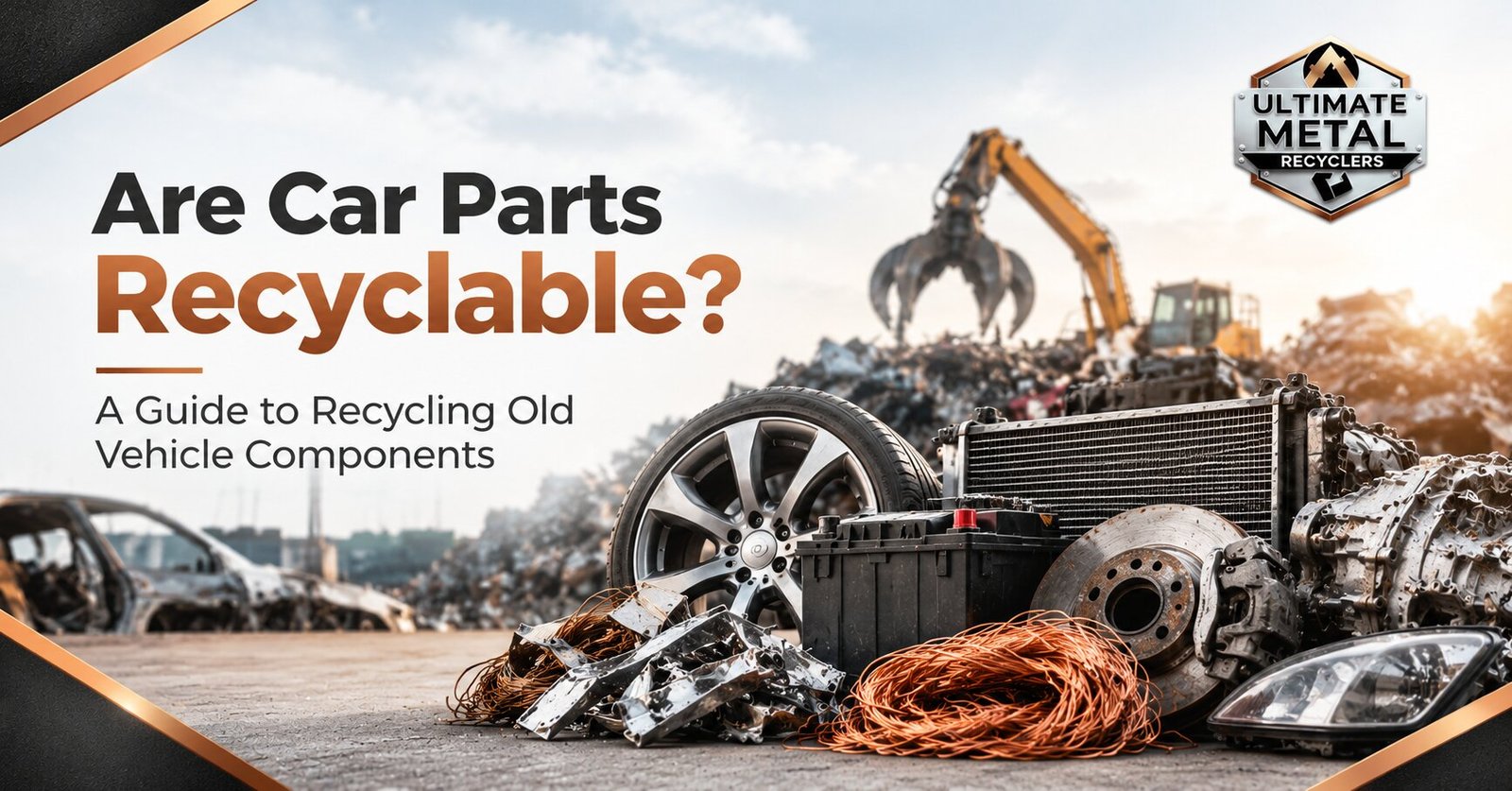
When a car reaches the end of its life, it does not mean every component has to go to waste. Many vehicle parts can still be reused, refurbished or recycled, depending on their condition, material composition and the facilities available to process them.
So, are car parts recyclable? Yes, many components can be recovered, including steel body panels, aluminium wheels, copper wiring and certain mechanical parts. Other items, such as batteries, tyres, plastics and automotive glass, may require specialised recycling processes.
Understanding what happens to old vehicle components can help Australian motorists make more informed decisions when disposing of an unwanted, damaged or unroadworthy car. It also highlights how responsible recycling can keep useful materials in circulation rather than sending everything to landfill.
Are Car Parts Recyclable? Which Components Can Be Recovered?
Most vehicles contain a combination of metals, plastics, rubber, glass and electrical components. While some materials are relatively easy to recover, others require additional sorting or specialist processing.
Steel and Iron Components
Steel and iron are used extensively in vehicle body panels, chassis components, suspension systems and engine parts. When these components are no longer suitable for reuse, the metal may be recovered and prepared for recycling.
Once processed, recovered steel and iron can be used as raw materials in manufacturing. Separating these metals from other materials helps improve the efficiency of the recycling process and reduces the amount of useful material that would otherwise be discarded.
Aluminium Car Parts
Aluminium is commonly found in wheels, radiators, engine components and certain body panels. Its lightweight properties make it useful in vehicle manufacturing, and suitable aluminium parts can be recycled.
Before processing, aluminium components may need to be separated from steel fittings, plastics and other attached materials. This helps maintain the quality of the recovered metal.
Copper Wiring and Electrical Components
Copper is used in vehicle wiring, electric motors and various electrical systems. Because copper is a valuable recoverable material, suitable components can be sent for further processing.
However, electrical parts often contain a mixture of metals, plastics and electronic materials. These components may need to be dismantled and sorted through appropriate recycling channels rather than placed directly into a general scrap metal load.
Engines, Gearboxes and Mechanical Parts
Old engines and gearboxes can contain recoverable steel, aluminium and other metals. Depending on their condition, some may also be suitable for repair, refurbishment or reuse.
Before these components are processed, oils, coolants and other automotive fluids must be handled appropriately. Leaving these substances to leak onto the ground or into drains can cause environmental harm.
Batteries, Glass, Plastics and Rubber
Not every vehicle component can be recycled in the same way as metal. Different materials require different handling and processing methods.
- Car batteries: Many batteries can be recycled through suitable collection facilities. The correct process depends on the battery chemistry and condition.
- Automotive glass: Windscreens and other vehicle glass may require specialist processing because of their construction.
- Plastics: Bumpers, dashboards and interior trim may be recyclable, depending on the type of plastic and the facilities available.
- Rubber and tyres: Used tyres may be accepted through specialist recovery programmes or recycling facilities.
Checking the requirements of the receiving facility helps ensure each material is directed towards an appropriate recycling option.
Which Car Parts Are Difficult to Recycle?
Although many vehicle components can be recovered, some are more challenging to process.
Parts made from several bonded materials can be difficult to separate. For example, an interior trim panel may contain plastic, fabric, adhesives and metal fittings. Separating these materials can require additional labour and specialised equipment.
Electronic components can also present challenges because they contain a mixture of materials that need different recovery methods. Contaminated parts may require additional treatment before they can be accepted.
Certain components, including airbags, refrigerants, batteries and automotive fluids, also need appropriate handling. These items should not be dismantled or disposed of casually, as they can present safety or environmental risks.
A component being difficult to recycle does not automatically mean it cannot be recovered. Its suitability depends on its composition, condition and the capabilities of the facility handling it.
How Does the Car Parts Recycling Process Work?
The recycling process varies depending on the vehicle, the components involved and the facility’s capabilities. However, it generally follows several stages.
Inspection and Assessment
The vehicle or individual components are assessed to identify parts that may be suitable for reuse, refurbishment or material recovery.
Components that remain in good condition may be separated for potential reuse, while damaged or worn parts can be assessed for recycling.
Safe Removal of Fluids and Other Materials
Before further dismantling, oils, coolants, fuel residues and other potentially hazardous substances may need to be removed using suitable procedures.
Batteries and other components requiring special handling are also managed appropriately to reduce the risk of contamination and injury.
Dismantling and Material Separation
Suitable components are removed and sorted according to their material type. Steel, aluminium, copper, plastics and other materials can then be directed towards the appropriate recycling streams.
Separating different materials at this stage helps prevent contamination and makes subsequent processing more effective.
Processing and Material Recovery
Accepted materials may be cut, shredded, sorted or processed using other suitable methods. The recovered material can then be supplied for further processing and potential use in manufacturing.
Not every component follows the same route. Some parts may be reused, while others are recycled or require specialist disposal.
What Happens to Recycled Car Materials?
An old vehicle contains resources that can continue to be useful after the car itself is no longer roadworthy.
Recovered steel and iron can be processed into metal feedstock for manufacturing. Aluminium may be used in a range of industrial applications, while copper can be processed for use in electrical products and other goods.
Some mechanical components may also be refurbished and reused if they meet the necessary condition and safety requirements.
However, recovered materials do not automatically become new car parts. Their eventual use depends on material quality, contamination, processing methods and demand from manufacturers.
The important point is that suitable vehicle components can retain value beyond their original purpose. Recovering these materials helps keep resources in circulation and reduces unnecessary waste.
What Are the Environmental Benefits of Recycling Car Parts?
Responsible vehicle recycling can provide several environmental benefits when materials are collected and processed appropriately.
Conserving natural resources: Recovering metals allows existing materials to be used again and can reduce the demand for newly extracted raw materials.
Reducing waste: Recycling suitable components helps divert materials from disposal and makes better use of resources already in circulation.
Supporting material recovery: Separating different materials helps direct them towards suitable recycling processes instead of treating every component as general waste.
Reducing contamination risks: Appropriate handling of batteries, automotive fluids and other potentially hazardous materials helps reduce the risk of soil and water pollution.
The overall environmental benefits depend on the materials involved and the methods used to recover them. Responsible collection, sorting and processing are important parts of the process.
How Should You Prepare Old Car Parts for Recycling?
If you have unwanted vehicle components in your garage, workshop or driveway, a little preparation can make them easier to manage.
- Identify the materials: Check whether the parts contain steel, aluminium, copper, plastic or a combination of materials.
- Keep components organised: Separate loose materials where practical and safe to do so.
- Avoid unnecessary handling of automotive fluids: Oils, coolants and fuel residues require appropriate collection and disposal.
- Store batteries safely: Keep batteries intact and arrange recycling through a suitable facility.
- Check acceptance requirements: Contact the recycling facility before transporting components, as not every facility accepts every type of part.
You do not need to dismantle an entire vehicle yourself to prepare it for recycling. Complex components and potentially hazardous materials are often best left to appropriately equipped professionals.
If you are dealing with a complete end-of-life vehicle rather than individual parts, ask about suitable collection and recycling arrangements.
What Should You Consider When Choosing Car Recyclers in Sydney?
Finding a suitable recycling provider involves more than simply getting rid of an unwanted vehicle. It is also worth considering how its components will be handled and which materials can be recovered.
When comparing Car Recyclers Sydney, ask what types of vehicles and components they accept, whether collection is available and how they manage materials that require specialist processing.
It is also helpful to understand whether reusable parts are assessed separately from scrap materials. A component that is still in good condition may have a reuse option, while a damaged part may be more suitable for material recovery.
If your vehicle is no longer running, confirm the collection arrangements, any applicable fees and the paperwork required before making a booking.
Choosing a provider that clearly explains its processes can make vehicle disposal more straightforward and help you understand the available recycling options.
How Does Scrap Car Recycling Help Recover Valuable Materials?
An old or damaged vehicle can still contain useful materials, even when repairing it is no longer practical.
Scrap Car Recycling focuses on recovering suitable components and materials from end-of-life vehicles. Depending on the vehicle and the facility, this may involve separating reusable parts, recovering metals and directing other materials towards appropriate recycling or disposal pathways.
For example, steel body panels, aluminium components and copper wiring may each be processed differently. Batteries, tyres, automotive fluids and certain electronic components need separate consideration.
The amount of material that can be recovered varies between vehicles. Their construction, condition and the facilities available all influence the outcome.
For vehicle owners, understanding this process provides a clearer picture of what happens after a car is taken away for recycling. Rather than assuming the entire vehicle becomes waste, many of its materials may have another use.
Frequently Asked Questions About Car Parts Recycling
Are car parts recyclable?
Yes, many car parts can be reused or recycled. Steel, iron, aluminium and copper are commonly recovered, while batteries, tyres, glass, plastics and electronic components may require specialised processing.
Can old car engines and gearboxes be recycled?
Yes. Engines and gearboxes contain recoverable metals, and some units may be suitable for refurbishment or reuse. Automotive fluids must be handled appropriately before the components are processed.
Can damaged car parts still be recycled?
Yes, damaged components may still contain recoverable materials. Their suitability depends on the material, level of contamination and the recycling facility’s requirements.
Are car batteries recyclable in Australia?
Many car batteries can be recycled through suitable collection and processing facilities. The correct pathway depends on the battery type, so batteries should not be placed in general household waste.
Can car plastics and rubber be recycled?
Some automotive plastics and rubber components can be recycled, but the available options depend on their composition, contamination and the facilities that accept them.
Is it better to reuse or recycle old car parts?
If a component is safe and suitable for further use, reuse may be a practical option. When a part is damaged or no longer fit for purpose, recycling may allow its materials to be recovered instead.
What happens to metal recovered from old cars?
Recovered metals are sorted and processed into materials that can be supplied for further manufacturing. Their final use depends on their quality, composition and the requirements of the receiving facility.
Final Thoughts
Many vehicle components can have a useful second life through reuse, refurbishment or recycling. Metals such as steel, aluminium and copper are particularly suitable for material recovery, while other parts require more specialised handling.
For Australian motorists, understanding these options makes it easier to manage unwanted vehicle parts responsibly. Checking what can be reused, identifying recyclable materials and choosing an appropriate facility can help reduce unnecessary waste.
At Ultimate Metal Recyclers, responsible metal recovery is an important part of keeping suitable scrap materials in circulation. If you have unwanted metal components, check the available recycling options and confirm the facility’s acceptance requirements before arranging disposal.


